Close
Brand identity is one of the most important elements of any successful branding strategy. It is what sets a business apart from its competitors and enables it to build a strong, recognizable, and consistent identity that reflects its brand, messaging, and core values.
A well-designed and memorable brand identity plays a key role in increasing brand awareness and keeping a business top of mind with its target audience. Greater brand recognition leads to more qualified leads, stronger customer trust, and ultimately, more customers.


A successful branding strategy goes beyond just the visuals or the ads we see—it’s rooted in the product or service itself. However, without branding, describing a product or service would be nearly impossible. Branding gives meaning, identity, and emotion to what a business offers.
If you work in marketing for a company that provides products or services, it’s essential to understand all stages of the branding process—from strategy and market positioning to communication and customer experience.
Brand identity is not limited to visual components or physical products. It’s the complete image formed in the minds of consumers. This means that marketing channels, brand messaging, brand voice, and customer service quality are all integral parts of a strong and memorable brand identity.
When all these elements work harmoniously, they create a cohesive brand experience that builds trust, boosts recognition, and fosters long-term relationships with the audience.
Corporate identity represents the overall image and personality of a business. It’s how a company communicates its values, philosophy, and professional presence to the public. A key element of corporate identity is the logo, which acts as the visual anchor of the company.
The logo is the first thing people recognize and immediately associate with the brand name. A well-designed logo enhances brand recognition, builds trust, and contributes to a consistent and professional brand image.
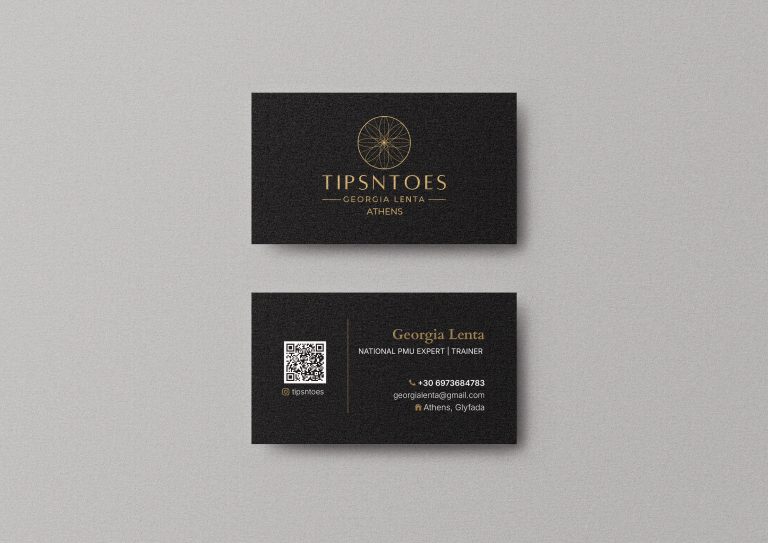
A handwritten font is ideal for boutique stores, such as surf shops, that want to convey a friendly and personal image.
A serif font is perfect for traditional businesses like tailors, but it’s usually not suitable for dynamic environments such as theme parks.Choosing the right typeface is a fundamental part of your branding strategy that helps build a strong and recognizable corporate identity.